

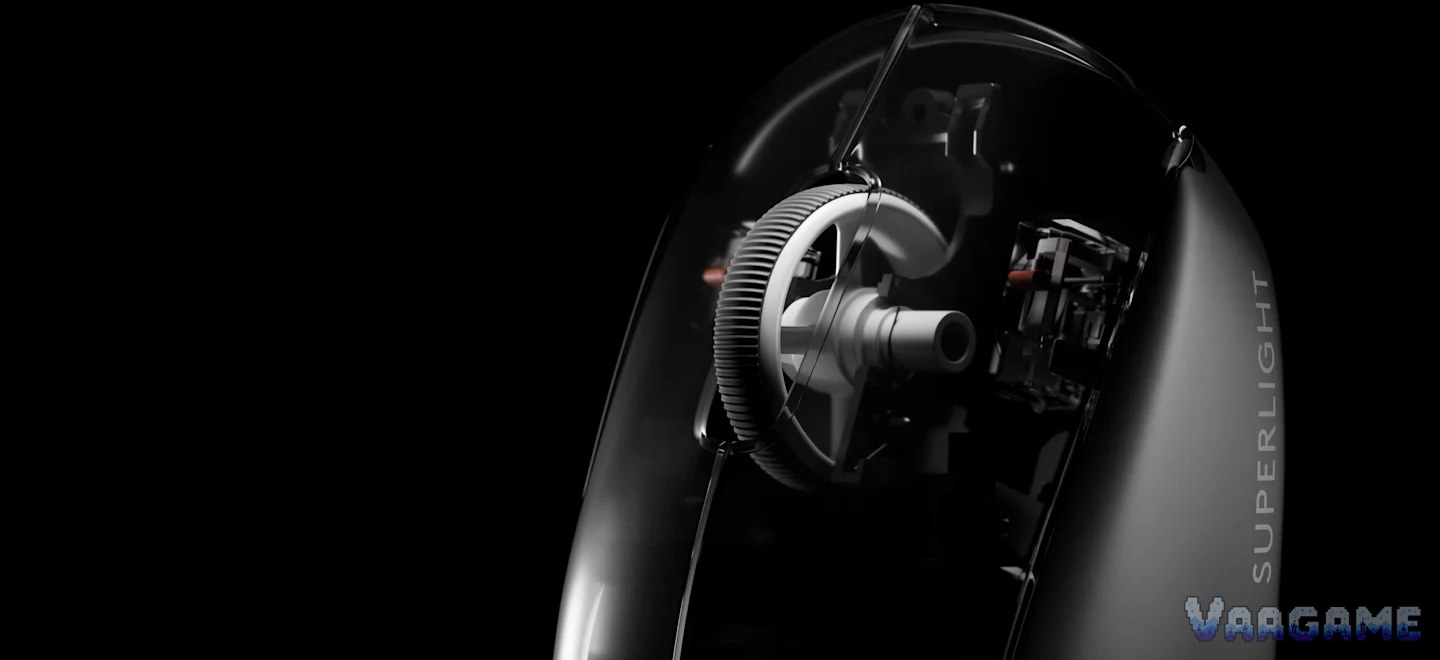
Two mice, one shape class, $23.90 apart. The Razer Viper V3 Pro is lighter at 54 g, sharper on paper with its Focus Pro 35K Gen-2 sensor, and cheaper at $122.55. The Logitech G Pro X Superlight 2 counters with LIGHTFORCE hybrid switches, POWERPLAY charging and the more polished software at $146.45. Both poll at up to 8,000 Hz and run about 95 hours per charge. Prices were checked at Amazon US on Oct 22, 2026.
This guide contains affiliate links. If you buy through them, Vaagame may earn a commission at no extra cost to you.
At a glance
Weight — 54 g (black) — 60 g
Sensor — Focus Pro 35K Gen-2 — HERO 2, up to 44,000 DPI
Wireless polling — 8,000 Hz, dongle included — 8,000 Hz over LIGHTSPEED
Switches — Gen-3 optical, 90M clicks — LIGHTFORCE hybrid optical-mechanical
Battery — Up to 95 hours — Up to 95 hours
Charging — USB-C cable — USB-C cable, POWERPLAY mat supported
Price checked Oct 22, 2026 — Viper V3 Pro $122.55 — Superlight 2 $146.45
Both mice list at $159.99. Prices checked Oct 22, 2026, subject to change. Prices are Amazon US listings in USD.
Weight and shape: the Viper by 6 grams
Both shells are safe, medium-sized symmetrical shapes, and both were designed with pro players in the room. The difference is emphasis. The Viper V3 Pro at 54 g (55 g in white) is the lighter flick instrument, with a flatter profile that claw and fingertip grips prefer. The Superlight 2 at 60 g carries a fraction more presence in the hand, which some palm-leaning claw players read as control. Six grams will not decide your aim; two weeks of muscle memory will. If you already own and like a Superlight shape, the sequel's shell is the same handshake.
Sensor and polling: a draw with different ceilings
Razer's Focus Pro 35K Gen-2 tracks at up to 35,000 DPI with surface calibration that extends to glass. Logitech's HERO 2 counters with the higher ceiling — up to 44,000 DPI and over 888 IPS — and a reputation for efficiency earned over two generations. In blind use, neither sensor misses a flick the other catches; the numbers are ceilings, not experiences. Polling is level too: the Viper includes its HyperPolling dongle for a true 8,000 Hz out of the box, and the Superlight 2 reaches 8 kHz over LIGHTSPEED with its receiver. One practical note applies to both: 8K polling is a finals-day setting, not a daily driver, because it eats battery on either mouse.
Switches: optical speed vs hybrid feel
The Viper's Gen-3 optical switches actuate in 0.2 ms, are rated for 90 million clicks, and cannot develop double-click faults by design. The Superlight 2's LIGHTFORCE switches use the same optical actuation but add a mechanical contact for feel, producing the crisper, louder click that Logitech loyalists refuse to give up. This is the one category with no spec-sheet winner: optical purity versus tactile feedback is a preference, and it is the preference most likely to decide this comparison at your desk.
Battery and charging: POWERPLAY breaks the tie
Both mice are rated up to 95 hours, both charge over USB-C, and both keep playing while plugged in. The tiebreaker is Logitech's POWERPLAY: the Superlight 2 charges continuously on the mat, which deletes battery management from your life for the price of the mat. Razer has no equivalent in this box — the Viper asks for a cable every week or two of heavy play. If you already own POWERPLAY, this section may be the whole review.
Software: G Hub vs Synapse
Logitech's G Hub is the more polished of the two: cleaner profiles, onboard memory that behaves, and LIGHTSPEED pairing that rarely needs a second attempt. Razer's Synapse carries more features and more weight; it does everything the Viper needs, including per-surface calibration, and asks for more patience in return. Neither software earns a purchase by itself, and both mice store their key settings onboard once configured.
Price and value
Same $159.99 list price, different street reality. On Oct 22, 2026 the Viper V3 Pro checked at $122.55 and the Superlight 2 at $146.45 — a $23.90 gap for the lighter mouse with the included 8K dongle. The Superlight 2's counter is historical: it has dipped to $99.95 in past sales, so patient Logitech buyers rarely pay the current figure. Value verdict: at today's prices the Viper is the rational buy; at its sale prices the Superlight 2 closes the gap and lets shape decide.
Verdict: which one should you buy?
Choose the Viper V3 Pro if you play claw or fingertip, want the lightest shell, and prefer paying less for the same headline numbers.
Choose the Superlight 2 if you prefer Logitech's shape and click feel, already live in G Hub, or own a POWERPLAY mat.
Choose neither and wait if you own the previous generation of either mouse: the gains are real but incremental, and both of these street prices fall hard during sales.
How we compare
We verified both prices against Amazon US listings on Oct 22, 2026 and cross-checked every specification with Razer's and Logitech's official product pages. Vaagame does not operate a mouse test bench, so this comparison rests on verified specifications, pricing and the competitive community's long-term consensus rather than hands-on testing. Where the two mice genuinely tie — sensor accuracy, battery rating, polling ceiling — the comparison says so instead of inventing a winner.
FAQ
Is the Superlight 2 worth $23.90 more than the Viper V3 Pro? On specifications, no: the Viper is lighter, includes its 8K dongle and matches the battery rating for less. The premium buys Logitech's shape, LIGHTFORCE click feel, G Hub and POWERPLAY support — worth it if you use them, wasted if you do not.
Which is better for a claw grip? Both were built for it. The Viper's flatter, lighter shell suits aggressive fingertip-leaning claw; the Superlight 2's slightly fuller body suits a relaxed claw. Hand size moves this answer more than brand does.
Can both really do 8K polling wirelessly? Yes. The Viper V3 Pro ships with its HyperPolling dongle in the box, and the Superlight 2 reaches 8 kHz over LIGHTSPEED with its included receiver. Expect sharply reduced battery life at 8K on both.
Which one lasts longer per charge? On paper it is a tie at up to 95 hours for both, measured at standard polling. In practice the Superlight 2 on a POWERPLAY mat never needs charging at all, which is the only honest way either mouse wins this category.
Related guides
Best Wireless Gaming Mice (2026)
Best Gaming Mice for FPS (2026)
Best Gaming Desk Setup Under $500 (2026)
Best Gaming Headsets Under $100 (2026)