

Pottery is a brand-new crafting skill in Build 42, and it is easy to underestimate. On the surface it makes cups, bowls and water jugs. Underneath, it produces the ceramic crucibles and molds that the entire Blacksmithing chain depends on — no pottery, no cast anvil, no forge. The loop is short: dig or forage Clay, shape it on a wheel, table or press, fire it in a kiln, and use what comes out.
Quick answer
Pottery turns Clay into dishes, jugs, molds and crucibles; shaping and pressing recipes are where the XP is.
Get clay by foraging in Search Mode near water, or by digging reddish clay tiles with an Empty Sack and a Shovel.
Build a Hand Press first (Hammer + 4 Planks + 4 Nails), then a kiln; the Advanced Kiln takes a Mason's Trowel and 20 Clay.
Crucibles unlock at Pottery 1: a Small Crucible holds 10 units of molten metal, a Large Crucible holds 20 — and casting a Blacksmith Anvil needs 32 units, so plan on two large ones.
Read the Pottery skill books before long shaping sessions; books multiply XP but teach no recipes.
At a glance
Swipe horizontally to view all columns.
| Topic | Build 42 facts |
|---|---|
Skill | Pottery (new in Build 42; no vanilla pottery in B41) |
Raw material | Clay — foraged, or dug from clay tiles near water |
First tool | Clay Sculpting Tool — loot kitchens, or craft at Carving 1 |
Shaping stations | Potter's Wheel, Pottery Table, Hand Press |
Firing stations | Primitive Kiln, Advanced Kiln (Trowel + 20 Clay) |
Key unlock | Crucibles at Pottery 1 (Small 10 units / Large 20 units) |
Feeds into | Blacksmithing (crucibles, anvil mold), Masonry (bricks, tiles) |
Step 1: Get clay
Clay is the one input everything else needs, and Build 42 gives you two reliable routes.
The slow route is foraging: switch on Search Mode and walk riverbanks, lakeshores and stream edges. Clay appears in the Stones category, and the tiles near water are where it shows up most. This is the right way to gather your first few lumps, and it trains Foraging at the same time — see our full breakdown in the foraging guide.
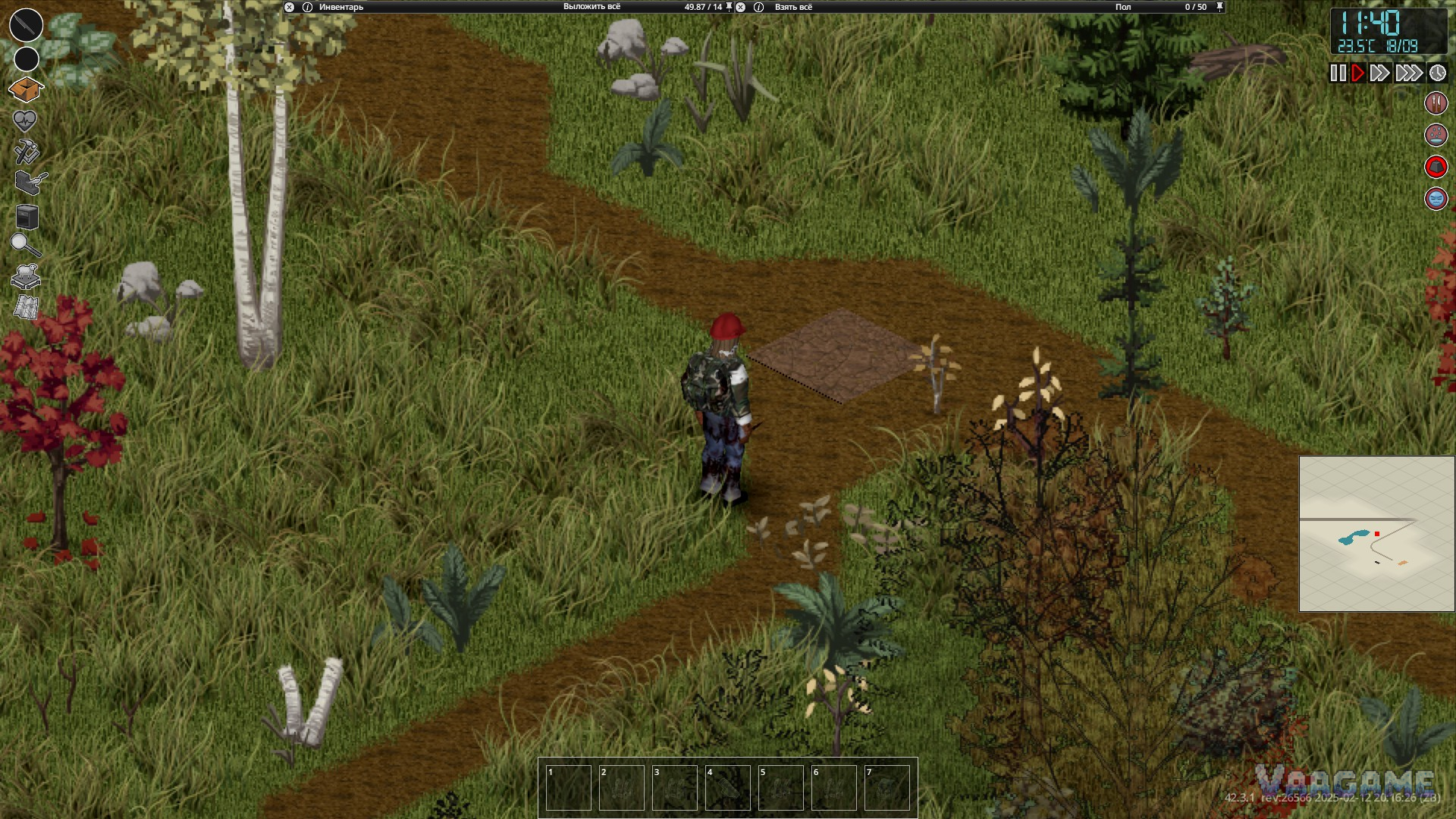
The fast route is digging. Find the reddish-brown clay tiles that appear near water, right-click with an Empty Sack and a Shovel in your inventory, and dig the tile into the sack. One good clay patch can fill several sacks, which matters later: an Advanced Kiln alone eats 20 clay, and crucible production never really stops once your forge is running.
Step 2: Tools and shaping stations
Your first tool is the Clay Sculpting Tool. Loot one from kitchen counters, cabinets and tool storage, or craft one at Carving 1 with a knife and a small handle. Most basic wheel recipes are available from the start — pottery is gated by materials and firing, not by a magazine hunt.
Three stations shape clay:
Potter's Wheel — the XP workhorse for cups, bowls, pots and jugs. It needs Stone Wheels, which ties pottery into the Masonry chain early.
Pottery Table — general shaping workbench for ceramic pieces.
Hand Press — built with a Hammer plus 4 Planks and 4 Nails. The press squeezes clay into wooden molds: bricks, floor tiles and roof tiles at low levels, and the metal-casting molds (bar, ingot, crucible, anvil, screw) once your Carpentry reaches 2.
One quirk: working a wooden mold grants Carpentry XP, not Pottery. Press molds because the forge needs them — but level Pottery at the wheel.
Step 3: Fire everything
Shaped clay is not finished clay. Cups, crucibles and molds all come off the wheel unfired, and unfired pieces are not usable — they have to go through a kiln with fuel before they become ceramic.
Start with a Primitive Kiln as soon as you have clay to spare, and upgrade to the Advanced Kiln (Mason's Trowel kept, 20 Clay consumed) once production ramps up. The advanced kiln is also where the big ceramic molds get fired — including the anvil mold your forge is waiting for.
Step 4: The crucible payoff
This is the section that justifies the whole skill. At Pottery 1 you can shape crucibles — the ceramic vessels that hold molten metal inside a furnace:
Small Crucible — 1 Clay + sand, holds 10 units of molten metal.
Large Crucible — 2 Clay + sand, holds 20 units.
Casting a Blacksmith Anvil requires 32 units of molten iron delivered in crucibles, which is why every smithy ends up running two large crucibles as standard. The anvil mold itself is also yours: press 8 Clay into a wooden anvil mold on the Hand Press, fire the result, and hand the ceramic mold to the forge. The full chain is laid out in our blacksmithing guide.
Pottery keeps paying after the forge is built. The Earthenware Jug (Pottery
5) is a serious water container, ceramic cookware replaces looted pots you can no longer find, and pressed bricks and tiles feed Masonry construction.
How to level Pottery
Read the matching Pottery skill book first — books multiply XP for their two-level band and are the difference between a weekend project and a month of wheel time. Players report the pottery workshop in Rosewood as a reliable place to find the books on its shelves.
Then work in this order:
1. Starter wheel pieces — cups, bowls and pots. Community guides put these at roughly 15 XP apiece and a cup costs a single lump of clay, so early levels move fast while your clay stock lasts.
2. Crucibles from level 1 — around 25 XP a piece in community data, and every one you fire is stock for the forge, not vendor trash.
3. Bulk pieces at higher levels — the Earthenware Jug at level 5 (3 clay, the best reported XP per piece) plus bricks and tiles for your Masonry projects.
Per-item XP values shifted between beta builds, so treat those figures as ballparks — the order is what matters: cheap pieces early, crucibles on unlock, bulk ceramics once books and clay supply allow.
FAQ
Is Pottery worth learning if I never plan to smith?
Mostly for the water jug and cookware. The dishes are convenience items; the skill earns its keep through the forge chain. If you are running a crafting base with any metalwork ambitions, Pottery is not optional — it is the first step.
Where is the best place to find clay?
Riverbanks and lakeshores. Forage them in Search Mode for your first lumps, then switch to digging clay tiles with a sack and shovel once you spot the reddish ground — digging is several times faster.
Do I need a magazine to start pottery?
No magazine gates the basic shaping recipes. What gates you is clay supply, a sculpting tool, and a kiln to fire what you shape.
Why did my mold give Carpentry XP instead of Pottery XP?
Because the mold recipe is a woodworking recipe — you are crafting the wooden mold, not the clay. Clay pressed in the press and pieces shaped on the wheel are what train Pottery.
Was there pottery in Build 41?
Not in vanilla. Build 41 pottery content came from mods. Build 42 adds Pottery as a full skill with its own books, stations and a place in the crafting tree, alongside the other new stations covered in our workstations guide.
Related guides
Blacksmithing: where your crucibles and molds end up
Foraging: finding clay in Search Mode
Masonry: stone wheels, bricks and kilns
Carpentry: the Hand Press and wooden molds