

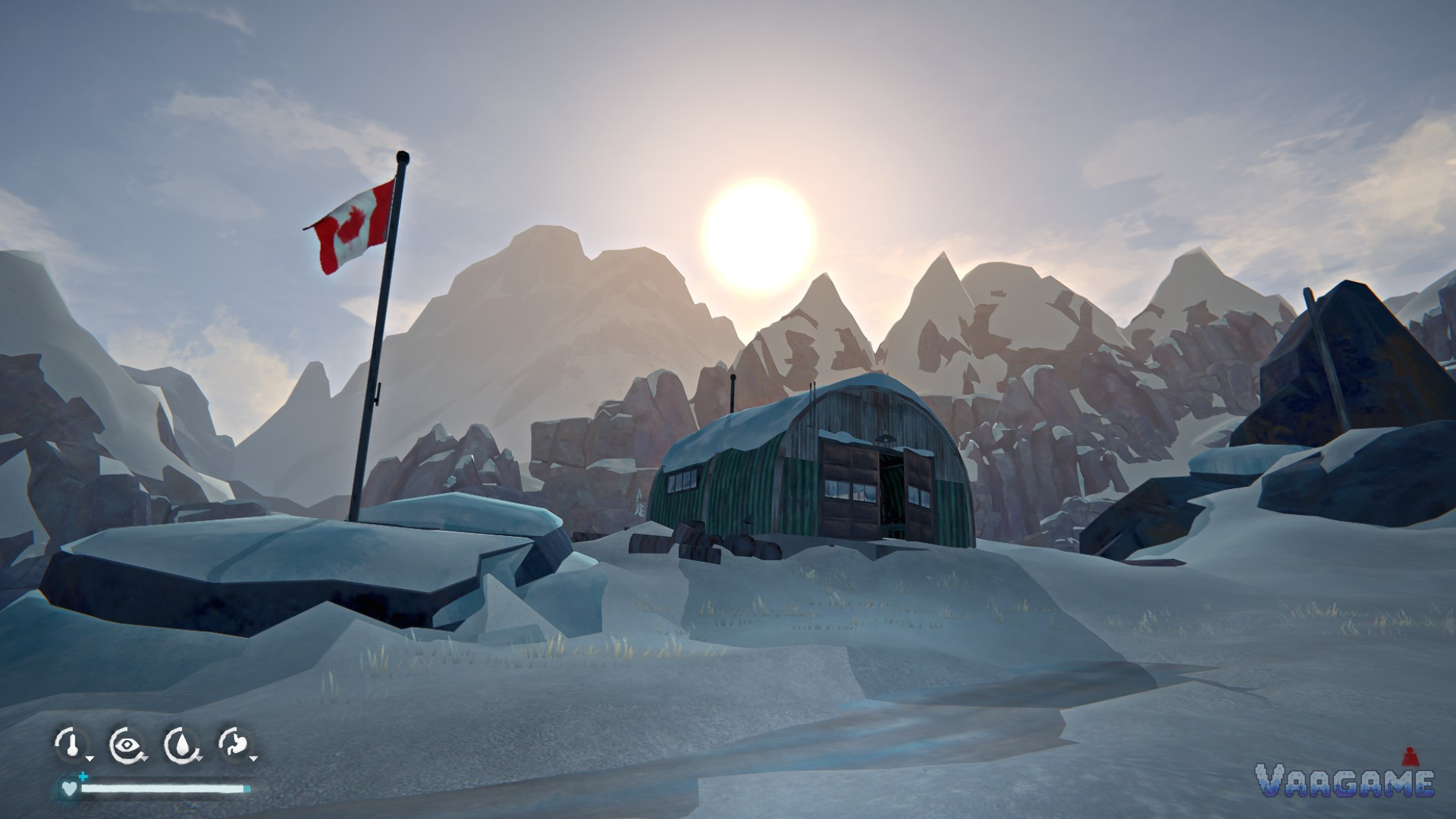
Long-term survival is not about better loot. It is about a base that feeds itself, a routine you never break, and the discipline to turn back from one more building. Interloper and Misery test that discipline by removing guns, cutting loot, and deepening cold, and this guide gives you the base plan, the food loop, and the difficulty table to survive them.
At a glance
Difficulties: Pilgrim, Voyageur, Stalker, Interloper, Misery, plus custom
Interloper: no firearms as standard loot, harshest standard loot and weather
Misery: hardest difficulty, no Cheat Death, permadeath only
Long goals: 100 days (Centurion), 500 days (The Will to Live)
Checked: 2026-10-25
Quick answer
Interloper removes guns from standard loot. Learn the bow before you start it.
Misery is not a first hardcore step. Master Interloper first.
A long run lives or dies on its food loop: hunting plus fishing, every week.
The turn-back rule is the whole game after day 50: one refused trip beats one good haul.
1. The difficulty ladder, honestly
The Long Dark has five named difficulties plus custom difficulty: Pilgrim, Voyageur, Stalker, Interloper, and Misery. Pilgrim is gentle weather and calm wildlife for learning. Voyageur is the standard balanced experience. Stalker adds more aggressive wildlife and scarcer loot. Interloper is the classic hardcore mode: no firearms in standard loot, far less loot overall, colder weather, and a world that demands bow hunting and careful planning from day one. Misery is harder still, with the harshest conditions and no Cheat Death revival, so it is permadeath in its purest form. Custom difficulty lets you tune individual settings, which is how many experienced players build their own perfect run after mastering the named modes.
Swipe horizontally to view all columns.
| Difficulty | Wildlife and loot | Who it is for |
|---|---|---|
Pilgrim | Calm wildlife, generous loot | First runs, learning |
Voyageur | Balanced | Standard experience |
Stalker | Aggressive wildlife, scarcer loot | Confident survivors |
Interloper | No firearms in standard loot, harsh cold | Hardcore players, bow hunters |
Misery | Harshest, no Cheat Death | Masters only |
2. Interloper: the bow, the cold, and the plan
Interloper starts are famously hard because you begin with almost nothing, no gun, and a world that gives little. The first days are a loot sprint between shelters, and the first weapon you can rely on is the bow, which you must craft and learn. Clothing is scarcer, so you repair and layer everything, and fire becomes even more central, because the cold bites earlier and deeper. The Interloper rule is: plan every day the night before, never travel without a destination shelter, and treat matches as treasure. Players who survive Interloper usually credit one habit above all: they never improvised a route.
3. Misery: what changes, and who should try it
Misery is the hardest named difficulty, and its defining rule for this guide is simple: there is no Cheat Death safety net, so every death is final, and conditions are harsher across the board. Only try Misery after Interloper feels routine, after you have a 100-day run behind you, and after you know at least three regions by heart. Misery is not a badge for beginners, and it is not required for any achievement in this guide except the experience itself. The players who enjoy Misery enjoy it because it removes every excuse, not because it adds new content.
4. The long-run base: stockpile, workshop, and routes
A long-run base has four things: a bed, a fireplace or stove, storage for food and tools, and a workbench within reach. Around that base you build three stockpiles: firewood, food, and medicine, each enough for a storm week. You also map three routes out of base in different directions, each with shelters along the way, so a storm or a wolf pack never traps you on one road. The base is not where you hide. It is where you return to, resupply, and plan the next week, and a run without a real base is a run that ends on the road.
5. The renewable food loop
Looted food ends, but hunted and fished food renews. A long-run food loop is: hunt deer and rabbits in a rotation so no hunting ground is exhausted, fish on calm days, cook in batches at the base fire, and store cooked meat outdoors in the cold. Add snares for rabbits near base, because snares work while you do other jobs. The loop fails when you eat the stockpile faster than you renew it, which happens when you travel too much and hunt too little. A week with no hunting is a week the stockpile silently shrinks.
6. Skill training: what to grind, and when
Skills rise with use, and long runs should train deliberately. Fire Starting rises with every fire, so light fires often and in safe places. Cooking rises with every meal, so cook in batches. Hunting skills rise with hunting and harvesting, so harvest everything you kill. Mending rises with clothing repair, so repair early and often. The training rule is: train at base during storms, when travel is impossible anyway, and the storm week becomes a skill week instead of a wasted week.
7. The discipline after day 50
After day 50, the game changes from learning to discipline. The temptations are a far region, a risky climb, and one more building in a storm, and all three have ended more long runs than wolves have. The discipline is a checklist before every trip: food, water, fire kit, light, weapon, destination shelter, and a turn-back time. If any item is missing, the trip waits. That checklist is boring, and it is the entire secret of 500 days: the survivors who reach it are not luckier, they are simply the ones who checked the list every time.
FAQ
Should I start on Interloper?
No. Start on Pilgrim or Voyageur, learn the map and systems, and move to Interloper only when a 50-day Voyageur run feels routine. Interloper punishes missing knowledge, not missing reflexes.
Does Misery add new content?
No. Misery is a difficulty, not content. It makes the same world harsher and removes the Cheat Death safety net. Play it for the challenge, not for new regions or items.
What ends most long runs?
Food shortage during a storm week, a risky trip that should have waited, or a wound far from base. All three are planning failures, which is good news: planning is learnable.