

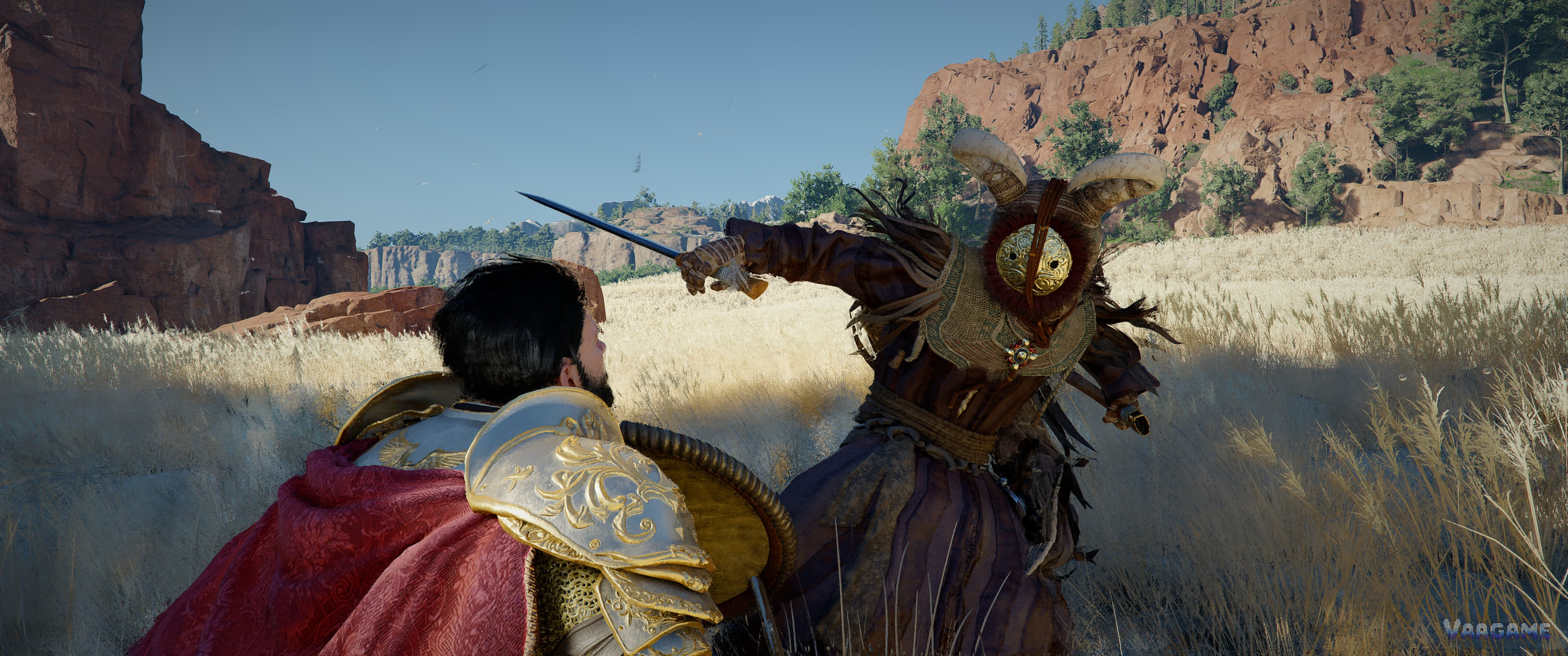
Crimson Desert combat works as one connected toolkit: melee weapons, grabs, mounted fighting, firearms and movement skills all feed the same fights, so the first skill to learn is switching between them instead of mastering one weapon in isolation. Pearl Abyss released the game on 2026-03-19, and the free Enhanced update v2.00.00 on 2026-08-25 reworked skill learning and added new skills for Kliff.
At a glance
Game: Crimson Desert Enhanced, by Pearl Abyss
Released: 2026-03-19; Enhanced v2.00.00 on 2026-08-25
Price: $69.99 (US, checked 2026-10-26)
Players: Single-player only
Platforms: PC (Steam, Epic, GeForce Now), PS5, Xbox Series X|S, Mac
Reception snapshot: About 177,552 Steam reviews, about 83.7% positive, Very Positive (2026-10-26 snapshot)
Last verified: October 26, 2026
Quick answer
Learn switching first: melee, grabs, mounts and firearms are one toolkit, and fights reward changing range and position.
Treat skills as a chain you build over time: Enhanced reworked skill learning, added Abyss Link as a skill resource, and lets you reset skills per character.
Watch Spirit through Focus: Focus is tied to Spirit recovery, so a fight is also a resource plan.
Use the ground: cliff knockdowns, ambushes and grabs can end a bad position faster than trading hits.
1. Why combat feels experimental
The word experimental fits because the system refuses to sit in one genre box. One fight can move from sword work to a grab, to a mounted charge, to a firearm shot, and the game treats each shift as normal combat rather than a special mode. That breadth is the appeal TechRadar praised when it called combat the best part of the game, and it is also why early fights can feel crowded: you are learning several small systems at once.
The practical answer is to learn in layers. First get comfortable with one melee weapon and with moving out of danger. Then add grabs and ambushes. Then add mounted fighting and firearms. Players who try to use every tool in the first hour usually learn none of them well.
Start with one weapon, one escape habit, and one grab you can repeat.
Add a new tool only after the previous one works under pressure.
2. The core loop: weapons, skills and chains
Crimson Desert supports many weapon families, and its achievement families name the spread: sword, shield, bow, spear, two-handed weapons, artillery, rapier and firearms, plus training. A skill chain here means learned skills used in sequence so one move sets up the next, rather than a fixed button combo memorised from a table. This guide gives no damage numbers or fixed combo tables, because no verified source in the fact pack supports them.
Enhanced changed how that chain grows. Skill learning was reworked in v2.00.00, Abyss Link became a skill resource, skills can be reset per character, and Kliff gained 8 new skills. Update 2.01.00 added skill-menu unlock prompts, so the menu itself now tells you more clearly when something new is available. Check those prompts before assuming a skill is locked behind a hidden requirement.
Swipe horizontally to view all columns.
| Layer | What it does |
|---|---|
Weapon | Sets your range and basic attacks |
Learned skill | Adds a move you can chain after another |
Grab or ambush | Changes position and breaks an enemy stance |
Mount or firearm | Changes range, speed or pressure at a cost |
3. Force Current, Ambush and Body Slam
These three named mechanics show how much of Crimson Desert combat happens before and around the hit itself. Force Current is a force-based tool in the combat toolkit, Ambush is the strike from a prepared or hidden position, and Body Slam is the heavy close-range slam that uses your body and position as the weapon. Learn them as positioning tools first and damage tools second.
In practice, Ambush rewards patience: let the enemy commit, then strike from the better angle. Body Slam rewards closing distance at the right moment rather than spamming it from far away. If a move keeps missing, the usual fix is position, not repetition.
4. Focus, Spirit and the firearm shot
Focus is tied to Spirit recovery, so managing a fight means managing a meter as well as health. Spend Spirit on skills, then use Focus windows to recover it instead of treating every skill as free. That single habit separates long, controlled fights from short bursts that run dry.
Firearms add a different pressure. The Focused Charged Shot is the firearm technique named in the verified mechanic list: a charged, aimed shot that trades time for a heavier hit. It is strongest when you already have distance or cover, and weakest when you charge it in the middle of a crowd. For ammunition, remember the player-reported warning: Damiane shotgun shells are ammo-hungry, and Oongka bullets have no stable farming route reported, so do not build a plan that assumes endless bullets.
5. Movement as a weapon: Vaporwalker, Water Stride, bears and cliffs
Vaporwalker gear plus Water Stride lets you move across water, and update 2.03.00 improved Water Stride jumping and gliding. Treat water as a route and an escape, not a wall: crossing it can reset a fight, reach a new angle, or simply get you out of a bad camp. The same logic applies to high ground, where a knockdown off a cliff can remove an enemy from the fight entirely.
Bears add a quick-time event: a bear grab triggers a QTE sequence, and 2.03.00 fixed bear QTE issues. The lesson is general. When the game switches to a timed prompt, stop mashing the normal attack pattern and answer the prompt itself. Cliff knockdowns teach the opposite lesson: position is damage, and the best hit is sometimes the one that changes where the enemy stands.
Cross water to reset or re-angle, not only to travel.
Answer a QTE prompt directly instead of mashing attacks.
Near a cliff, prioritise position over one more hit.
FAQ
Is Crimson Desert combat hard for new players?
It is broad rather than simply hard: several small systems arrive together, so learn one weapon and one escape habit first, then add grabs, mounts and firearms in layers.
What is Abyss Link?
Abyss Link is the skill resource introduced in the Enhanced update v2.00.00, alongside reworked skill learning and per-character skill resets.
Do I need a fixed combo list to play well?
No. This guide deliberately gives no fixed combo or damage table, because no verified source supports one. Chain learned skills by position and timing instead.
What should I do when a bear grabs me?
Answer the quick-time event prompts directly. Bear QTE issues were fixed in update 2.03.00, so a failed prompt is usually a timing or input answer, not a reason to keep mashing normal attacks.
Related guides
Crimson Desert Pitfalls Guide: Missables and Mistakes New Players Should Avoid
Crimson Desert Exploration Guide: Pywel, Horses, Gliding, and Fast Travel