

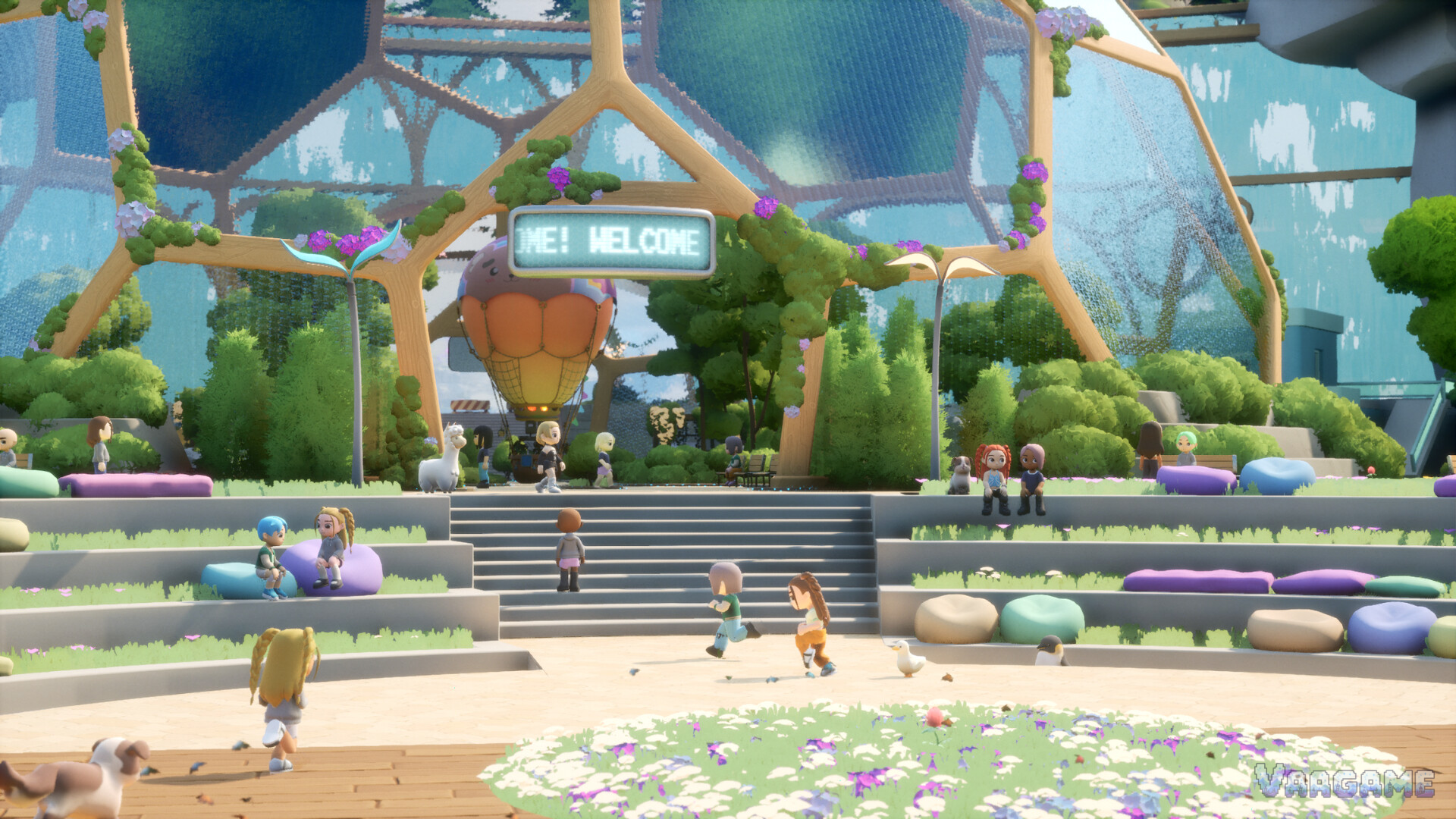
Three kinds of company fill Loftia, and confusing them is the fastest way to misunderstand the game. Animal companions travel with you. NPCs give you quests, teach you systems, and become friends through the story. Other players share your world, your neighborhoods, and your community projects. Each kind works differently, each one matters for a different reason, and this guide keeps them separate so you can use all three well.
Quick answer
Animal companions: rescued, adopted, travel with you, wear outfits
NPC friends: Pebble, Hazel, Milo and others introduce systems through quests
Other players: neighbors, farm partners, and community project contributors
Social rule: the world is shared, so your behavior is part of other players experience
At a glance
Animals: capybaras, turtles, other unique species; dogs seen with players in preview
NPCs: meet and befriend NPCs, tackle quests to help the community
Players: shared world, neighborhoods, community farm, group quests
Not verified at launch: NPC friendship rewards, animal care mechanics, and any companion stats
Last verified: November 3, 2026, at the Early Access launch hour
1. Animal companions: presence, not power
The companion guide in this category covers species and adoption in detail, and the short version belongs here too: animals are rescued and adopted, they travel with you, they wear outfits, and their confirmed job is keeping you company while you explore. Do not build a plan around pet power, because no pet power is described at launch. Build your plan around presence: a companion changes how exploring feels, which is the entire reason cozy games include them, and Loftia is explicit that companionship is the point.
2. NPC friends: quests are how you meet the world
The official description pairs two phrases: meet and befriend NPCs, and tackle quests to help the community. The pairing is the mechanic: quests are not errands separate from friendship, they are how friendship happens. The intro questline shows the pattern, with Pebble handing you A Fresh Start and characters such as Hazel and Milo introducing systems as you go. Treat every quest giver as a person to return to, not a marker to clear, because the community story is told through the people who ask you for help, and the hidden stories that community projects uncover are continuations of those relationships.
3. Other players: neighbors first, party second
Other players are neighbors before they are party members. Your island links into neighborhoods, your farm surplus feeds shared builds, and the community farm minigame is played together. Group quests and adventure islands are the party layer on top of that neighbor layer, and they work better when the neighbor layer already exists: a player who knows your island and your farm is a better quest partner than a stranger who just arrived. Invest in the neighbor layer first, a tidy arrival, a reachable farm, a sitting corner, and the party layer takes care of itself.
4. Social habits for a shared world
Build for arrival: a clear entrance and a sitting corner make your island welcoming
Contribute before asking: bring materials or crops to shared builds, not just requests
Return to quest givers: friendship in Loftia is a relationship, not a checklist
Leave shared spaces better: the community farm and plaza are shared, so treat them like a neighborhood
Do not buy pet or social promises unverified: no pet item or friendship reward is priced or confirmed at launch
Frequently asked questions
Do I have to play with other players?
No. You can play at your own pace, and the world around you stays shared. Group quests and community work are there when you want them, not requirements for progress.
Are NPC friendships the same as player friendships?
No. NPC friendship grows through quests and community story, while player friendship grows through neighborhoods, shared work, and time together. Both matter, and they work differently.
What animals can I meet besides pets?
Dogs and a capybara were seen with players in preview coverage, and the official description names capybaras, turtles, and other unique species as adoptable. Wild animal encounters beyond that are not mapped in verifiable form at launch.