

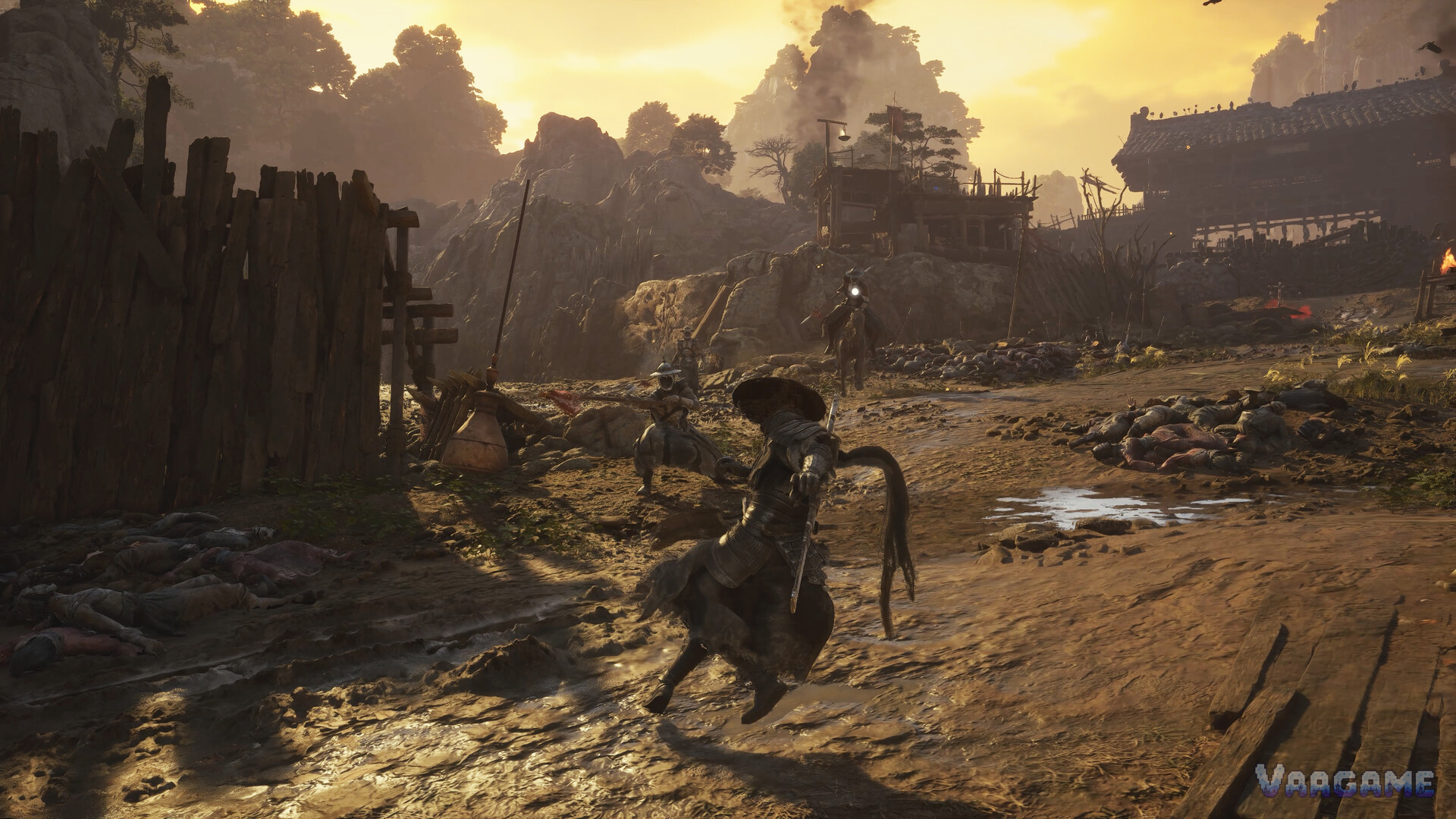
Phantom Blade Zero gives you more than 30 main weapons, every one earned from a boss, so the right first question is never which weapon is strongest in the abstract, but which weapon type fits the way you like to fight.
At a glance
Game
Phantom Blade Zero, a single-player kungfu-punk action game by S-GAME
Main weapons
More than 30, each from a boss
Carried at once
Two main weapons, plus two Phantom Edges
Upgrades
Upgrading unlocks new forms and moves
Reset item
Reforging Talisman resets level and refunds all materials
Location list
Not in this guide; full weapon locations belong to the second stage
Last verified
October 26, 2026 (pre-launch facts)
Quick answer
More than 30 main weapons means breadth of choice, and every one comes from a boss rather than from a shop shelf.
Choose by type first: light swords suit fast combos, while heavy hammers and power gloves suit breaking enemy guards.
You carry two main weapons at once; switching in combat also restores part of your Sha-Chi, according to pre-release reviews.
Upgrades unlock new forms and moves, so a weapon you like early can grow with you instead of being replaced at once.
A wrong upgrade is recoverable: the Reforging Talisman resets a weapon level and refunds all materials.
1. What 30+ main weapons really means
More than 30 is a count of distinct main weapons, and every one of them comes from a boss. That link matters for expectations: new weapons arrive as rewards for boss progress, and the collection grows as you move through the game rather than all at once.
This guide deliberately does not list every weapon or where each one is found. Boss-by-boss tactics and a full weapon location list belong to the second stage of this column, and writing them before launch would mean inventing details. What you can decide before launch is the type logic below.
Think of the 30+ count as a long tail of options rather than a checklist to finish in the first week. Early on, one weapon you enjoy using beats three weapons you have only collected, because forms, moves, and Sha-Chi habits are learned through use.
2. Choose by type: speed for combos, weight for breaking guards
Light swords are the fast-combo type. They chain Square light attacks quickly and suit players who like to stay close and keep pressure on. If you enjoy reacting and repositioning, start here.
Heavy hammers and power gloves are the guard-breaking type. They are slower and heavier, and their value shows against enemies who block or hold a strong guard. If you prefer fewer, harder hits that open an enemy up, these types give you that plan without needing a faster weapon.
Between those poles, judge a new weapon by three questions: does it feel fast enough to recover after a miss, does it break the guards you actually struggle against, and does it fit the Sha-Chi spending pattern you already use. A weapon that fails all three is a collection item for now.
Swipe horizontally to view all columns.
| Weapon type | Feel | Best for | Watch out for |
|---|---|---|---|
Light swords | Fast, easy combos | Pressure and quick punishes | Less guard-breaking weight |
Heavy hammers | Slow, heavy hits | Breaking enemy guards | Longer recovery after a miss |
Power gloves | Heavy, close-range power | Breaking guards at close range | Short reach in open exchanges |
3. Carry two main weapons and switch mid-fight
You equip two main weapons at the same time. That pairing is the loadout decision that matters most early, because it covers two situations without returning to a menu.
Switching weapons during combat also restores part of your Sha-Chi, according to pre-release reviews. That makes the switch a resource move as well as a tactical one: when your pool is low, changing weapons can buy the Sha-Chi to block, parry, or finish with a heavy attack.
Practise the switch before you need it under pressure. Pick a quiet moment in an early fight, change weapons, and feel how the rhythm changes. If the switch feels awkward, the pairing is wrong for you, even if both weapons look strong on paper.
4. Upgrades unlock forms and moves, and a reset removes the fear
Upgrading a weapon unlocks new forms and moves for it. Forms here means the evolved states a weapon can take as it levels, and moves means the new attacks those states make available. A weapon is therefore a small progression path of its own, not a fixed set of swings.
That growth changes how to judge an early weapon. A weapon that feels plain at first may open up after upgrades, so give a type you enjoy at least a short upgrade trial before discarding it. Conversely, a weapon that feels great at once is still worth upgrading, since its later forms may suit your style even better.
If an upgrade turns out to be a mistake, the Reforging Talisman resets the weapon level and refunds all materials. That rule removes the main beginner fear in this system: you can try a weapon, upgrade it, learn its forms, and still walk the investment back in full.
FAQ
How many main weapons are there?
More than 30 main weapons, and every one comes from a boss. This guide covers types and choice logic only; a full location list belongs to the second stage.
Can I carry two main weapons at once?
Yes. You equip two main weapons at the same time and can switch between them in combat, which also restores part of your Sha-Chi according to pre-release reviews.
What if I upgrade the wrong weapon?
Use a Reforging Talisman. It resets the weapon level and refunds all materials, so an upgrade experiment does not waste your investment.
Should beginners pick a light sword or a heavy weapon first?
Pick by habit: light swords suit fast combos and constant pressure, while heavy hammers and power gloves suit breaking guards. One fast and one heavy weapon covers both jobs early.
Related guides
Phantom Blade Zero Combat Basics Guide: Sha-Chi, Parries, and Dodges
Phantom Blade Zero Phantom Edges Guide: 20+ Sub-Weapons and How to Pair Them