

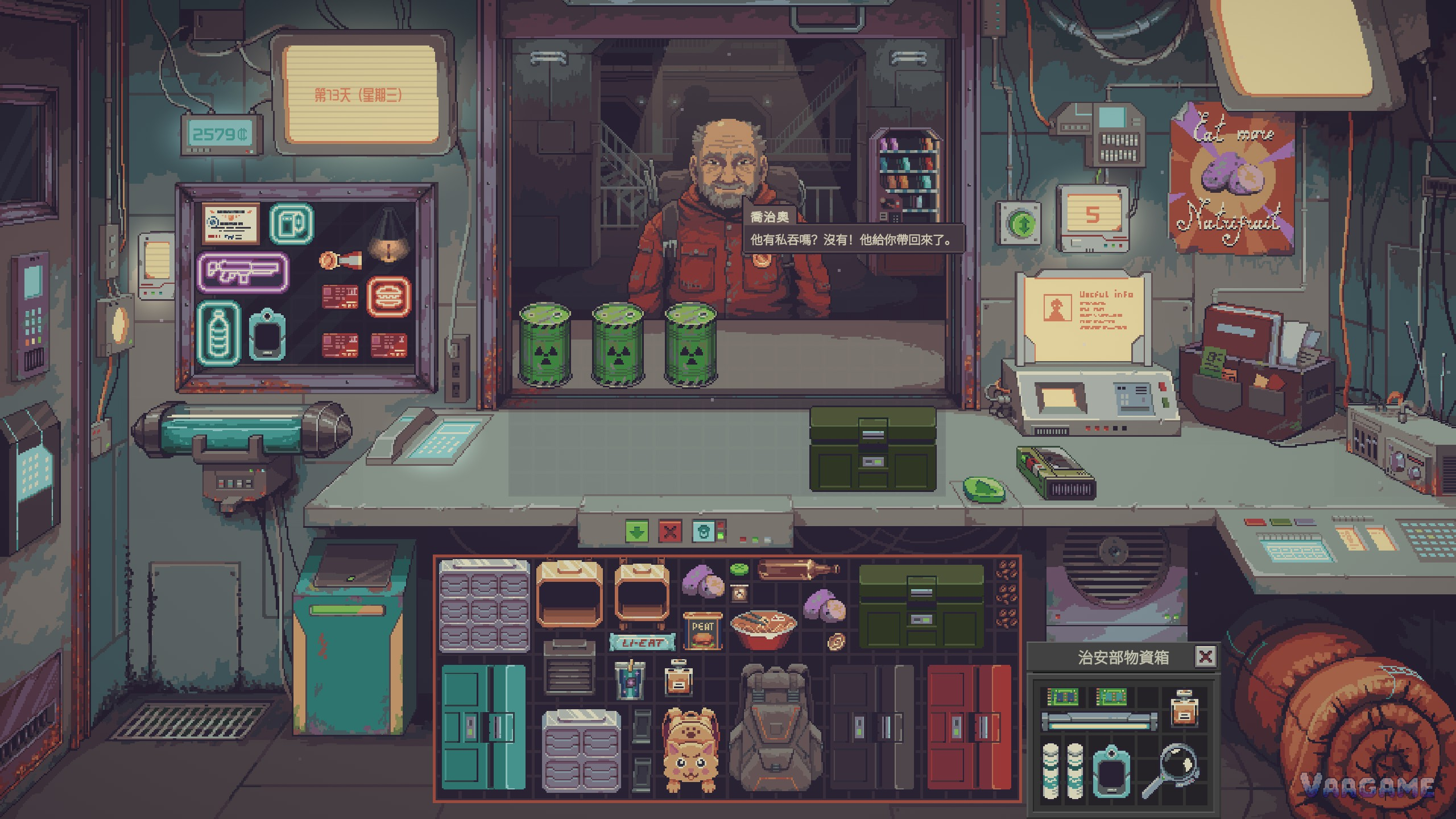
Probably Stolen has no collection checklist, no museum, and no collect-them-all reward. What it does have is a 356-item catalogue where a single find can be worth 15,000 credits, and a lottery layer where an unopened ticket is worth more than most scratched ones. This guide is the keep-or-sell list: the most valuable finds, how base value turns into a sale price, and which tickets to scratch and which to sell.
Quick answer
Most valuable item: the Hypertech Turbo Booster at 15,000 credits base value, three times the next item, the Mind Reprogrammer at 5,000.
Sale price is base value plus your difficulty Retail Markup: +20% on Price Gouge, +15% on Mark Up. Contraband adds its own markup instead: low +35%, mid +70%, high +100%, critical +150%.
No in-game collection log exists, and no achievement rewards collecting. Value here means credits, not a checklist.
Scratcher economics: unopened ticket 20, Stack of Scratcher Tickets (5) 100, jackpot 350 for three Nutrifruit. Scratch for the Jackpot achievement, sell the rest.
Regular lottery: drawn every Saturday morning, six unique numbers from 1 to 49, redeemed through the lottery representative or at the Commissary.
At a glance
Game: Probably Stolen: Cyberpunk Shopkeeper Sim, by Questing Goose Studio, published by tinyBuild, released on Steam on October 28, 2026.
Catalogue: 356 tradeable items with base values from 0 to 15,000 credits. Base value is the price before markup, events, heat, or condition change it.
What this guide is not: a full 356-item table. It is the top of the value curve plus the keep-or-sell rules for everything below it.
Price: $19.99 list, PC on Steam, Windows only.
Last verified: 2026-11-03.
1. The honest frame: there is no collection system to complete
Players coming from games with collectible checklists should reset the expectation first. Probably Stolen tracks no collection log, offers no museum shelf, and hides no completion reward behind owning one of everything. The achievement list confirms it: all 21 achievements are about winning runs, thresholds, counters, and single productions, and none asks you to collect a set. So this guide does not invent a checklist. It answers the question players actually ask when a strange item lands in their inventory: is this worth keeping, and what is it worth?
2. The twelve most valuable items by base value
Swipe horizontally to view all columns.
| Item | Base value |
|---|---|
Hypertech Turbo Booster | 15,000 |
Mind Reprogrammer | 5,000 |
Electronic Parts (Hypertech) | 2,500 |
Hypertech Power Cell | 2,500 |
Neural Core Module (Uncapped) | 1,500 |
SYNC Self-Refilling Neuroactive Perfume | 1,000 |
Backpack (Large) | 650 |
Gene Scanner | 500 |
ETERNAL Rejuvenation Serum | 500 |
Backpack (Basic) | 450 |
Deal Maker | 400 |
Auto Butcher | 400 |
The shape of this table is the lesson. Below the top five, values fall off a cliff into the hundreds, and the twelfth item is worth
400. That means most of the catalogue is small goods, and a single Hypertech find is worth more than dozens of ordinary sales. When a high-base item appears, do not treat it as ordinary stock: check its condition, check whether it is contraband, and check the market before you accept the first offer. A 15,000-base item sold carelessly at a bad moment costs more than a week of small trades earns.
One scope warning on this table: it ranks base values only. Per-item sources for the top twelve are not verified item by item in the sources checked, so this guide does not claim a specific seller or scavenging spot for each one. The verified general sources for rare stock are scavenging at the Dumping Grounds and scavenger customers, with per-pull chances that show how rare things run: Wire turns up about 1.88% per pull and a Wire Cutter about 0.33% per pull. Treat any guide that names an exact farm spot for the Turbo Booster without evidence as a guess.
3. How base value becomes a sale price
Start from base value. That is the catalogue number, before anything else changes it.
Add your difficulty Retail Markup on ordinary goods: +20% on Price Gouge, +15% on Mark Up.
Contraband uses its own markup by level instead: low +35%, mid +70%, high +100%, critical +150%. Heat, events, and condition move the final number from there.
Appraisal items are valued by condition, not by a flat number. Ribwiches, Plasma Cartridges, and Cybernetic Hands need the inspection tray and the right estimate.
Counterfeits are worth much less than the real item. Check authenticity with the handbooks for Food Stamps, Immunivax Injectors, and Hemingway Cigarettes before paying a real-item price.
The keep-or-sell rule follows from that math. Sell ordinary goods freely: their value curve is flat and they are replaceable. Hold high-base goods until you can sell them cleanly, at a good markup, to the right buyer, because their value is concentrated in one slot of inventory. And never let a high-base item sit in the Display Case as contraband: the Mentor note is blunt that contraband in the case gets you arrested, and losing a 15,000-base item to an arrest is the worst trade in the game.
4. Lottery tickets: scratchers and the Saturday draw
Two lottery systems share the shop, and confusing them loses money. Scratcher Tickets are instant: double-click to open the Nutri Millionaire card, rub the three panels, double-click a winning ticket to redeem. The prize table is 10 credits for any two matching symbols, 75 for any three, 30 for two Nutrifruit, and 350 for three Nutrifruit, which is the jackpot and the Jackpot achievement. An unopened ticket is worth 20, and a Stack of Scratcher Tickets (5) is worth
100. Sources include barter offers and Dumping Grounds scavenging at about 2% per pull.
Regular Lottery Tickets are the slow system. A representative of the Lower Levels Lottery Commission introduces them, the leaflet Lower Levels Lottery Information sets the rules, and the winning numbers are drawn every Saturday morning and announced in the newspaper: six unique numbers from 1 to 49, with prizes by how many match. Redeem winning tickets with the lottery representative, or at the Commissary, which redeems all eligible winning tickets at once into credits rather than Commissary Tokens. The collector rule for both systems is the same: scratchers are gambled for the achievement and otherwise sold sealed, while lottery tickets are held for the Saturday draw, not scratched, because there is nothing to scratch.
FAQ
Is there a collection reward for owning one of everything?
No collection log or completion reward was found in the sources checked, and no achievement asks for a set. The reward for a rare find is its sale price, not a checklist tick.
Should I sell a Hypertech Turbo Booster as soon as I get one?
Not before checking condition, contraband status, and the market. It is the most valuable single item in the catalogue at 15,000 base, so a rushed sale at a bad markup or to the wrong buyer wastes more value than any ordinary good could. Hold it until the sale is clean.
Are scratcher tickets good money?
On average, no. An unopened ticket is worth 20, and the common results pay 10 or
30. Scratch for the Jackpot achievement, sell the rest sealed, and keep lottery tickets for the Saturday draw.
Where do rare items come from?
The verified general sources are Dumping Grounds scavenging and scavenger customers, with low per-pull chances that explain why rare stock feels rare. This guide does not assign an exact farm spot to each top-twelve item, because the sources checked do not verify one item by item.
Sources and honesty notes: the 356-item catalogue, top base values, markup figures, and lottery rules come from player-written item and lottery guides cross-checked against each other. Per-item sources for the top twelve are not verified item by item and are not claimed. The absence of a collection log is stated from the sources checked and the achievement list, not from a developer statement.