

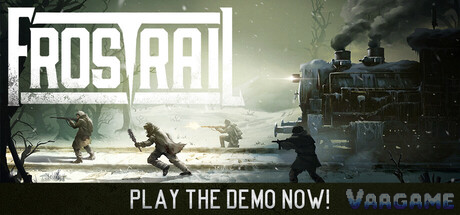
Steam Next Fest opened its October 2026 edition on October 19 at 10:00am PDT (01:00 on October 20 in Beijing), and thousands of free demos stay live until October
26. Day one brought a clear early leader in Frostrail, the largest field the festival has carried, and a dispute that captures indie development in 2026: one studio cancelled its demo, saying AI tools could clone its game before launch.
At a glance
Festival dates: October 19, 10:00am PDT to October 26, 10:00am PDT (Beijing: October 20, 01:00 to October 27, 01:00)
Scale, two counts: 8,011 entries on the press preview page; 7,131 demos and 78,220 concurrent players on the Output Lag live chart
Early genre leaders on that chart: Frostrail (Horror, Survival, Shooters) and Loftia (Co-op, Cozy)
Pulled demo: Drunken Goddess Reflux, cancelled in an October 16 Steam post; closed lottery sessions run October 23 to 31 instead
Copyright dispute: NoGlyph says it filed a notice with Valve over allegedly copied code; no outcome has been announced
First day: Frostrail leads a very large field
FakeFish marked the opening with a Steam post titled “Frostrail Demo Out Now!”, and the store page now carries the demo of its survival FPS for one to four players, built around a steam train in a frozen wasteland. On Output Lag’s hourly live chart, which reads Steam’s public player counts, Frostrail led three genre lists in the opening-day snapshot: Horror, Survival and Shooters. Loftia, the cosy MMO-style game whose demo progress carries into its November 3 Early Access launch, led Co-op and Cozy.
Two demo counts are circulating, and the difference is method. Coverage of the press preview page put the entry list at 8,011 demos. Output Lag counted 7,131 demos it could track live, with 78,220 people playing in its snapshot. A listings page can include demos not yet live; a live chart only sees builds players can run.
The demo that never arrived
Drunken Goddess Reflux was supposed to join the opening day. Developed by Alliance Arts and WHO YOU and published by Alliance Arts, it is a shot-glass Russian roulette duel against the demon Femme Soule, due to launch on December
8. On October 16, Alliance Arts cancelled the public demo, apologised for the late change, and gave two reasons: it could not properly manage the posting and streaming restrictions it had planned, and it feared the demo’s content could be used to imitate the game’s presentation and gameplay with AI or other tools, with copies released before launch.
The replacement is a closed online play session, with participants chosen by lottery via the official Discord. The test notice adds the detail: applications close on October 22 at 23:59 Japan time, sessions run from October 23 to 31, and the rules bar streaming, sharing spoilers outside the Discord, and letting AI systems train on or analyse the game. No copycat of this game has been produced or shown anywhere. This was a precaution, paid for with the best marketing week a game of this size gets.
A copyright notice over copied hay
The second story is an allegation, in the accuser’s own words. In a Steam post on October 17, NoGlyph wrote that A Game About Needle In A Haystack, released by Little Field Studios on October 16, contains code copied from its game: it found 13 of its classes in the other game’s files with identical names, more than half of the functions in that section matching exactly, and its own error messages surviving word for word, including one pointing to a shader that does not exist in the other project. The copied code, NoGlyph says, matches its free demo versions of September 20 and 21, and the problem is the hay code — how the haystack is drawn and dug, and how gold, lapis and diamond hay work. NoGlyph states: “We’ve filed a copyright notice with Valve and we’re letting that process play out.”
The chain behind the complaint is tangled. NoGlyph’s own game, released on September 29 at $5.99, is itself a fast follower of Studio Bitdot’s Needle In A Haystack Simulator, which went viral in August on a pitch of five million pieces of hay and one needle. Kotaku counts at least fourteen haystack clones on Steam, and reports lead developer Jahvin writing on Discord that the rival game holds 39 same-named methods that are byte-for-byte identical. Kotaku called that pattern a classic sign of AI-assisted decompilation; that mechanism is the outlet’s characterisation, and the copying itself remains an allegation. We found no public response from Little Field Studios, and Valve has announced no outcome.
Our take
A public demo used to be pure upside: free marketing, wishlists, feedback. This week showed the new cost side. A demo is also a blueprint, and at 8,000 entries the festival hands that blueprint to the largest audience a small game will ever have. Alliance Arts paid for safety with its launch visibility. For players, the practical response is boring and effective: use live charts and curated lists, wishlist the originals, and treat lookalike store pages with fresh suspicion. Frostrail’s train is boarding now.