

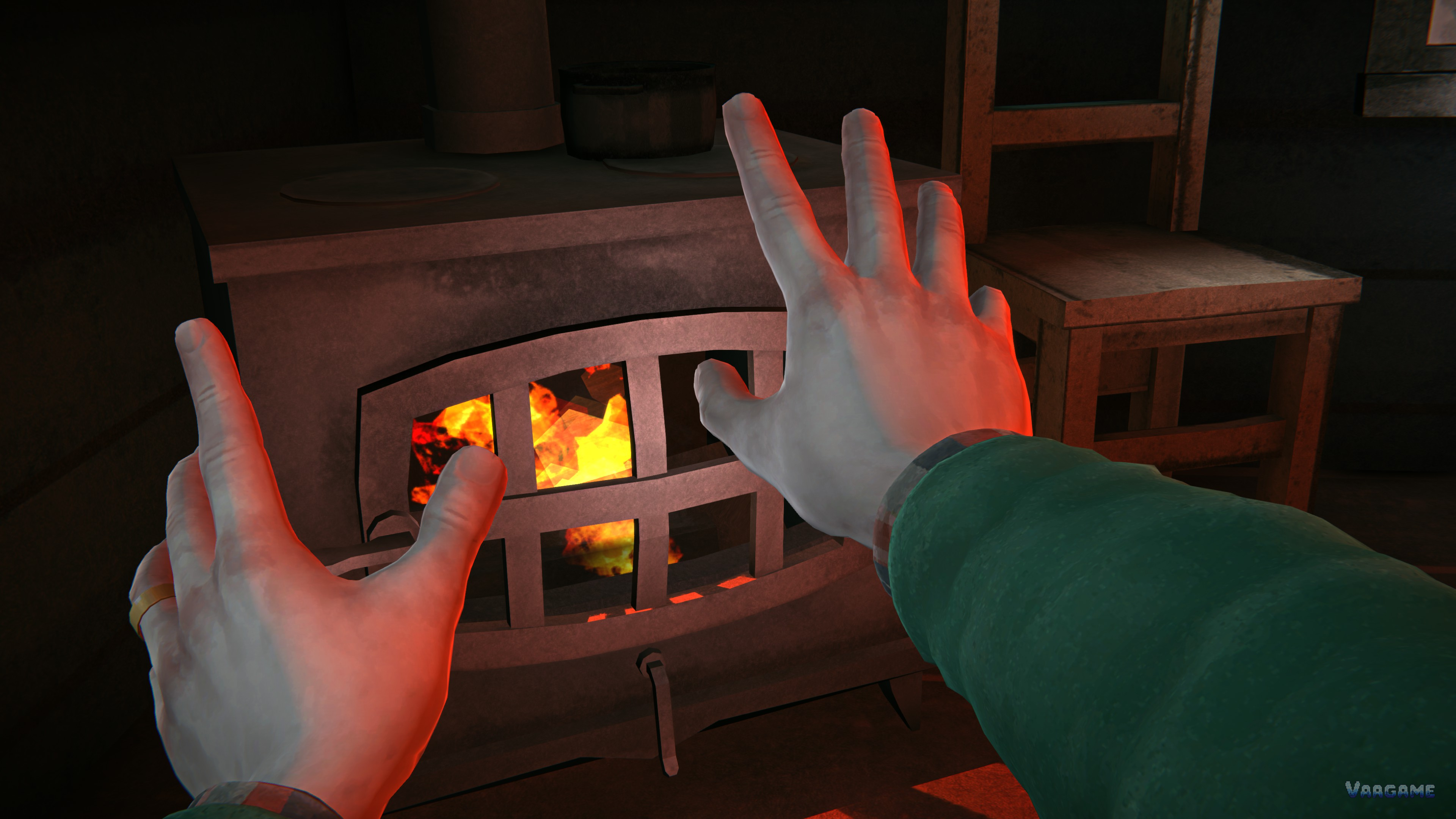
Fire is the single most important skill in The Long Dark: one fire gives you warmth, cooked food, boiled water, and a light that keeps wolves at a distance. Learn to start a fire in wind, to choose between a torch, a lantern, and a flare, and to read an aurora night, and the cold stops being a mystery and becomes a problem you can solve.
At a glance
Fire needs: tinder, fuel, and a match or firestriker
Fire gives: warmth, cooking, snow melting, light, wolf deterrent
Portable light: torch (fire), lantern (fuel), flare (short, bright)
Aurora: geomagnetic storm nights that re-power electronics
Checked: 2026-10-25
Quick answer
Start fires indoors or out of the wind. Wind is the number one reason fires fail.
Always carry matches, tinder, and sticks. The kit weighs almost nothing.
A torch is a moving fire: light for travel and a weapon against wolves.
Aurora nights are beautiful and dangerous: electronics wake up, and so do wolves.
1. Starting a fire, without the guesswork
A fire needs three things: tinder to catch the first flame, fuel to keep it burning, and a way to spark it, usually matches or a firestriker. Tinder means paper, cloth, or purpose-made fire-starting material; fuel means sticks, branches, and logs, with bigger wood burning longer. The game shows you a starting chance that improves with your Fire Starting skill, which grows every time you succeed. Beginners should practice in safe places, not in storms: light a fire at your base until the process feels automatic.
Wind is the enemy. A fire started in open wind often fails or dies quickly, while the same fire in a sheltered spot or indoors starts reliably. If you must fire outdoors, put a rock or building between you and the wind, and add fuel as soon as the flame catches. Once a fire is burning, you can cook food, boil water, and warm up beside it, and you can take a burning brand or torch from it to carry light with you.
2. Torches, lanterns, and flares: which light, where
A torch is a short-lived moving flame. It lights your path, it can be brandished at a wolf to make it hesitate, and it costs you a fire to make. Use torches for short outdoor trips at dusk and for caves you only need to cross once. A storm lantern burns fuel and gives steady, long-lasting light indoors and in mines, where wind cannot kill it. It is the right tool for looting dark interiors and for any job where you will stand still for a long time.
A flare is different: it is very bright, very short, and it scares animals. Throw or hold a flare when a wolf is closing in and you need seconds to escape, not when you need light to read by. Flares are limited loot, so save them for animal encounters and keep the torch and lantern for ordinary light.
Swipe horizontally to view all columns.
| Light | Best for | Watch out for |
|---|---|---|
Torch | Short outdoor trips, caves, scaring wolves | Burns out fast, dies in strong wind |
Storm lantern | Dark interiors, mines, long jobs | Needs fuel, weighs more |
Flare | Wolf encounters, emergencies | Very short, limited supply |
Campfire | Warmth, cooking, boiling water | Fixed in place, needs fuel |
3. Aurora nights: what actually changes
An aurora night is a night when the sky fills with green, purple, and red light. In the world of the game, the aurora is the visible sign of the geomagnetic disaster, and during it, dead electronics can flicker back to life: lights switch on, radios crackle, and powered equipment behaves strangely. That is both an opportunity and a warning. Some quests and locations only reveal themselves under aurora, and some animals, especially wolves, become more aggressive and may attack when they would normally keep their distance.
The beginner rule for aurora nights is simple: stay near shelter, keep a light and a weapon ready, and do not start a long journey after dark just because the sky looks beautiful. Experienced players plan aurora nights in advance, sleeping through ordinary nights and staying awake for aurora when they have a specific goal, like reaching a powered location. Until you have that goal, treat an aurora night as a night to stay in and stay warm.
4. Keeping light going: fuel discipline
Light sources all cost something: torches cost fire and time, lanterns cost fuel, flares cost rare loot. The discipline is to use the cheapest light that does the job. Daylight is free, so do outdoor travel by day. Indoors, use the lantern only when you are actually working in the dark, and switch it off when you stop. Pick up every stick you pass, because sticks are torch and fire fuel, and a survivor who never passes a stick never runs out of fire.
5. Fire safety: what not to do
Do not sleep next to an outdoor fire in a storm and assume it will last. Fires burn down and go out, and the cold returns while you sleep. Do not start a fire inside a tiny shelter with no ventilation in your head as a plan; the game does not punish you with smoke the way reality would, but a fire you cannot tend because you fell asleep is still a wasted fire. And do not waste matches: a firestriker never runs out, so use matches only when you need a guaranteed flame and save the striker for practice.
6. Light and wildlife: use light as a tool
Animals react to light and fire. A lit torch held toward a wolf can stop a charge, and a campfire between you and a predator is a barrier most animals will not cross. That does not make you safe: a determined bear will still come, and a torch that burns out at the wrong moment leaves you in the dark with an angry animal. Light buys you time and distance. Use that time to reach a building, a car, or a fire, not to admire the standoff.
7. Aurora checklist for your first aurora night
When the sky lights up and you are near base, run this checklist. One: are you indoors or within a minute of a door? Two: do you have a lit light source and a weapon? Three: is there food, water, and firewood for the night without going outside? If all three answers are yes, enjoy the show from a window and listen for what the powered world is doing. If any answer is no, fix that answer first, because aurora nights reward the prepared and punish the curious.
FAQ
Why does my fire keep failing?
Usually wind, wet tinder, or low Fire Starting skill. Move out of the wind, use dry tinder, and practice at base. Skill rises with every success, so early failures are normal and temporary.
Can I carry fire with me?
Yes, as a torch taken from a fire. It burns for a limited time, so take it when you are ready to move, not before you finish cooking.
Are aurora nights random?
Aurora nights occur on some nights and cannot be scheduled by the player. Watch the sky at dusk: a glowing sky is your warning and your opportunity.