

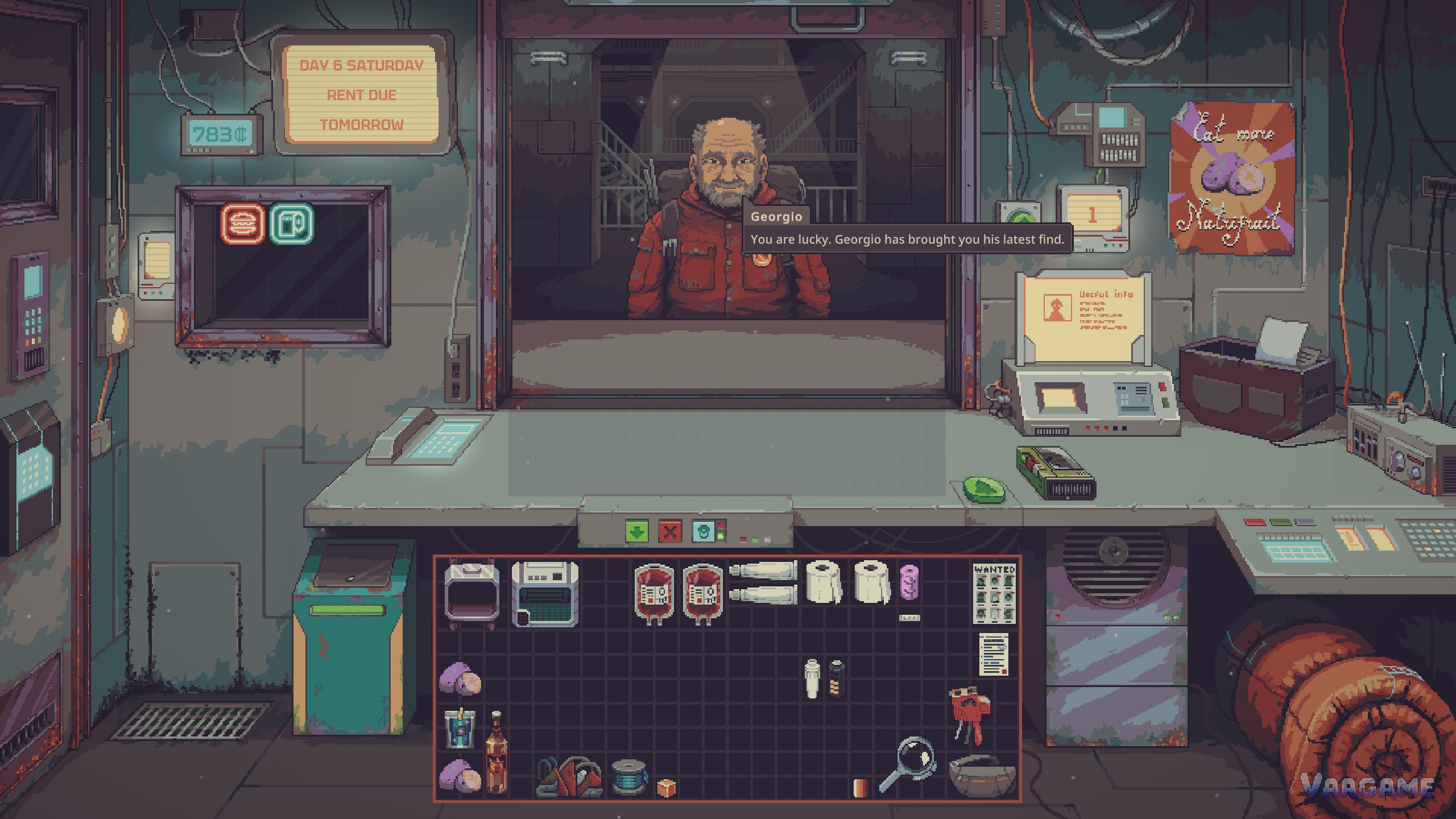
Probably Stolen is the breakout indie hit of the week. The cyberpunk shopkeeping simulator from Questing Goose Studio, published by tinyBuild, launched on Steam on October 28 and reached a peak of 112,145 concurrent players on October 30, per SteamDB figures. The game costs $19.99, with a 10% introductory discount to $17.99 that runs until November
11. The sharpest detail in the story is the starting point: the project first appeared as a demo called Deepspace Emporium, and that demo peaked at 28 concurrent players.
At a glance
Peak: 112,145 concurrent Steam players on October 30, per SteamDB figures, after passing 101,000 within the first 24 hours.
Launch: October 28, 2026, at 13:00 UTC, which is 2:00 p.m. CET, 9:00 a.m. EDT, and 6:00 a.m. PDT, on Steam for Windows. Single-player only.
Price: $19.99, with a 10% introductory discount to $17.99 until November
11. A Supporter Edition bundles the game with the official soundtrack.
Sales: the studio reported more than 200,000 copies on the first day, while TheGamer, citing the game Steam page, later put the 24-hour sell-through at 350,000 copies.
The game: a cyberpunk pawn shop simulator with nine starting scenarios, four difficulty options, 21 Steam achievements, and Steam Workshop support. Steam Deck status is Playable.
From 28 players to six figures
The 28-player figure comes from tinyBuild chief executive Alex Nichiporchik, who posted about the turnaround after launch. TheGamer reported his account: Probably Stolen began life under a different name with a released demo, and that demo peaked at 28 concurrent players. Nichiporchik wrote that tinyBuild loved the concept and gameplay, and worked with the developer to reinvent the visuals and focus on what works design-wise. The reworked demo then became one of the most played demos of the October Steam Next Fest, drawing more than 660,000 players with a peak near 40,000 concurrent, according to tinyBuild figures reported at launch.
That sequence matters because it separates two different demos. The 28-player peak belongs to the original Deepspace Emporium demo, not to the Probably Stolen demo that topped the Next Fest charts. The full game removed the demo at launch, so these are buyers arriving after the rework, and their scale turned a quiet demo into a front-page Steam title within two days.
What the launch numbers actually show
The peak did not arrive in a single spike and then vanish. Coverage tracked more than 101,000 concurrent players within the first 24 hours, then a climb past 112,000 on October 30, with 73,380 people playing at 06:32 UTC that morning. The game also collected more than 1,800 Steam user reviews by the day after launch. Those two signals point in the same direction: this is a wide launch, not a narrow one driven by a single region or a single streamer moment.
The sales figures need the same care. The studio first reported more than 200,000 copies on day one, and TheGamer later cited the game Steam page for a 24-hour sell-through figure of 350,000 copies. The two numbers come from different moments in the launch window, so they read best as a rising count rather than a contradiction. Either figure already makes this one of the largest indie launches of the autumn; the player peak is the firmer number because it comes from SteamDB tracking rather than a sales post.
The shop itself
The pitch is simple and the systems run deep. Players run a pawn shop on a dystopian space station, buying low and selling high while rent keeps rising, with the long goal of earning enough to buy the shop outright. Customers bring goods of uncertain origin, and part of the job is spotting fakes that crooks try to pass off. Higher-risk trade in weapons, drugs, and other contraband pays more and draws more trouble, and faction loyalties shape who will deal with the player at all.
Version 1.0 adds a game ending with run statistics, four difficulty options, Steam Workshop support with a modding API, completed stories for several characters, vending machines, and full localization. The nine starting scenarios range from Apprentice and Water Merchant to Gunsmith, Chemist, Rat Wrangler, and Aquafarmer, and each changes the opening stock and permits. That variety is part of why the launch held up past day one: a second run starts from a different trade, not from the same counter with the same goods.
What to watch over the weekend
The weekend is the next test, and it cuts both ways. Steam player counts usually peak on weekends, so a Thursday peak above 112,000 leaves room for a higher number before the first week closes. At the same time, a shop simulator lives on its loop: if the haggling, the fake-spotting, and the rent pressure stay tense for a second and third run, the launch crowd has a reason to stay. If the loop flattens once the opening scenarios are learned, the peak will look like a launch-week story rather than a season-long one.
The price window gives undecided players a clean deadline. The 10% introductory discount holds the game at $17.99 until November 11, and the free demo is gone, so there is no try-before-buy route left. Players who want to test the loop at a discount have two weeks, and the weekend counts will show whether this week's crowd is still there as that window closes.