

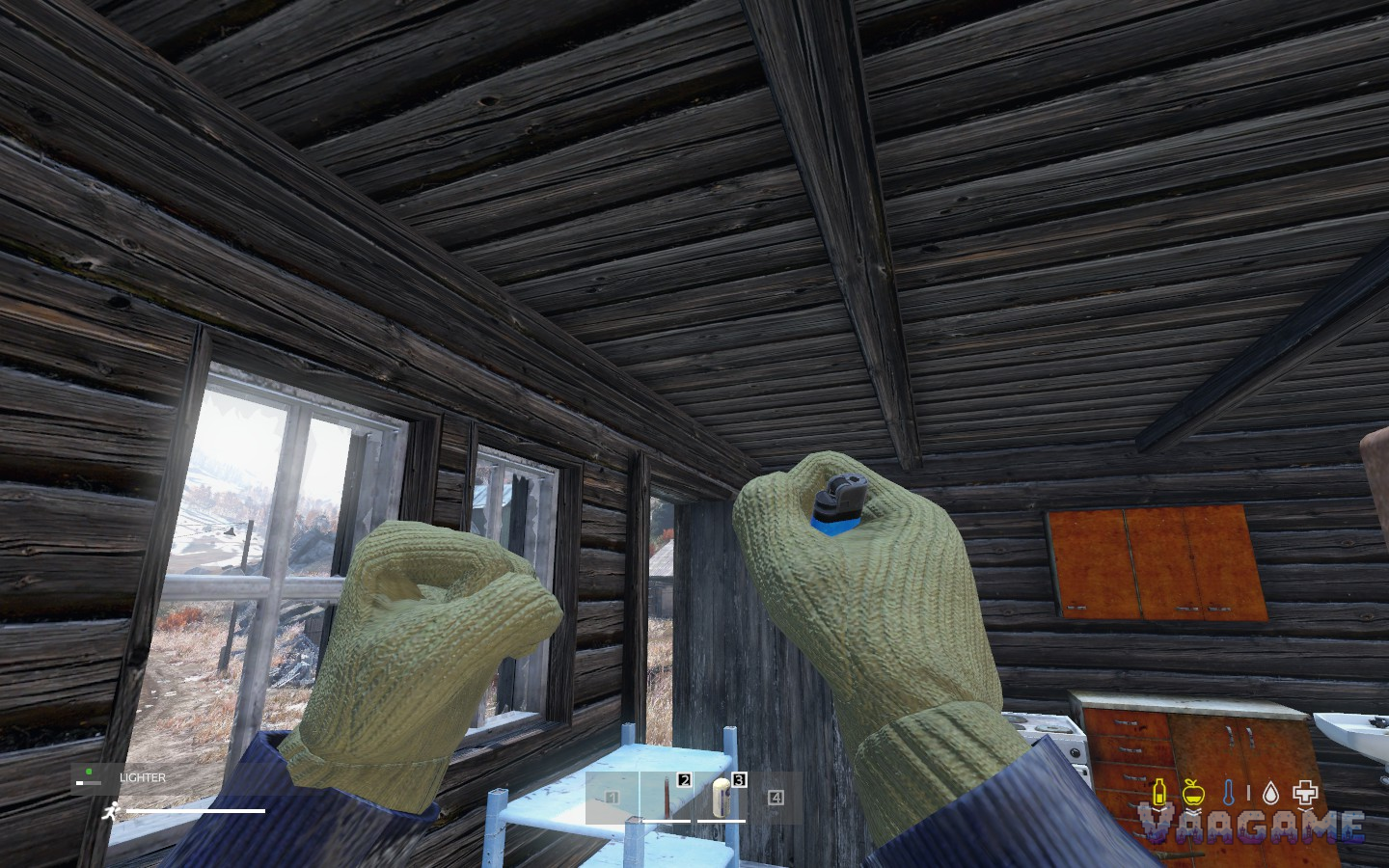
Nasdara is full of ruined houses, and update 1.30 lets players restore some of them into usable bases. Rebuilding is not a single all-or-nothing project: preview coverage describes partial repairs, mixed materials, and a choice between mud and stone shells. The skill is choosing the right ruin, the right room, and the right entrance, then locking it before you sink more material into the rest.
Quick answer
An openable inventory indoors is an early clue, from preview coverage, that a structure may be rebuildable.
Mud vs stone is a cosmetic grouping; durability depends on restoration materials and prior damage.
You do not have to restore the whole house: repair one room or one entrance first.
The Digital Code Lock comes to every map with 1.30, not just Nasdara.
At a glance
System: rebuildable mud and stone structures in Nasdara (Badlands DLC); Digital Code Lock is base-game 1.30
Scale: Bohemia puts the count at over 5,000 rebuildable houses, and wells and irrigation tunnels are rebuildable too (Bohemia figure, not a patch-note count)
Tools and materials: trowel, brick, and mortar joining logs, planks, and metal sheets
Strategy: partial repair first, then expand only if the position proves worth it
Last verified: October 27, 2026
How to spot a rebuildable structure
Not every ruin can be rebuilt, and the game does not hand you a map of candidates. According to pre-launch preview coverage, an openable inventory indoors is an early clue that a structure is rebuildable. Treat that as a lead, not a guarantee: check the structure itself, look at the damage, and decide whether the position is worth the work before you start hauling material.
Preview coverage describes around 20 damaged-house variants. That figure comes from preview reporting, and launch may have changed details, which is a stated gap in this guide: if a structure behaves differently from the preview description, trust what the live game shows and treat the preview as outdated, not as a promise.
Mud vs stone: what the grouping does and does not mean
Mud and stone are cosmetic groupings for rebuildable structures. Choosing between them is about the look of the building, not a durability tier you pick at the start. Durability depends on two things: the restoration materials you use, and the damage the structure already carried before you touched it. A heavily damaged shell restored with weak material will not perform like a lightly damaged shell restored well, even if both end up looking finished.
Materials and tools
Rebuilding uses a new trowel, plus brick and mortar, joining logs, planks, and metal sheets. Mixed construction is allowed: a build can combine wood with sheet-metal windows and doors, or add brick barricades, rather than forcing one material for the whole structure. That flexibility is what makes partial repair practical, because you can close the gap that matters most with whatever suitable material you have, instead of waiting until you can afford a single uniform standard.
Gap: exact material quantities per structure tier are not confirmed. This guide deliberately gives no per-tier shopping list, because inventing one would send readers to gather the wrong amounts. Plan in stages, check what the game asks for at each step, and stop expanding when the cost stops matching the value of the position.
Swipe horizontally to view all columns.
| Material or tool | Role in rebuilding |
|---|---|
Trowel | New rebuilding tool |
Brick and mortar | Join logs, planks, and metal sheets |
Wood with sheet metal | Sheet-metal windows and doors in a wood build |
Brick barricades | Additional barricade option in a mixed build |
Partial repair strategy: one room, one entrance
Partial repair is allowed, and it should be the default plan. Repair one room or one entrance first, get a lockable, usable space, and only then decide whether the rest of the house deserves more work. A fully restored house in a bad position is worse than a single secured room in a good one, because the full restoration costs more material, more trips, and more exposure for the same roof.
The Digital Code Lock is part of this plan, and it is not Nasdara-only: it comes to every map with 1.30. Lock the space you actually use as soon as it is usable, rather than leaving a restored room open while you work on the next one.
Wells, irrigation tunnels, and location strategy
Rebuildable structures are not only houses. Bohemia counts over 5,000 rebuildable houses, and wells and irrigation tunnels are rebuildable too, and in Nasdara that matters more than it would on a wetter map: standing water is scarce, and wells and irrigation tunnels are the reliable sources. A base near restored water infrastructure is worth more than a prettier shell farther from water, because drinking, cooling down, and rinsing sand from eyes after sandstorms all depend on water access.
Preview coverage describes a trade-off: damage tends to be heavier farther from cities and traffic, but those positions are quieter. A heavily damaged ruin far from traffic may be cheap in attention and expensive in material; a lighter ruin near traffic may be cheap in material and expensive in attention. Clearing rubble yields some construction materials, which softens the cost of a damaged site, but it does not erase the trade-off. Pick the side of it you can actually defend and supply.
Hotfix 1 fixes for rebuildable structures
Hotfix 1, dated October 21, 2026, fixed infected and animal navigation inside rebuildable structures, and fixed rebuildable-structure road, collision, and object-placement issues. If a launch-week base felt wrong because infected or animals moved oddly indoors, or because roads, collisions, or placement behaved badly around a restored structure, those were launch issues addressed by this hotfix. As with all Hotfix 1 notes here, the date is October 21, and whether it remains the current stable build on all platforms is not confirmed in this guide.
FAQ
Q: How do I tell if a house can be rebuilt? A: From preview coverage, an openable inventory indoors is an early clue. Confirm in the game itself before committing material.
Q: Is stone stronger than mud? A: No, not as a grouping. Mud vs stone is cosmetic; durability depends on restoration materials and prior damage.
Q: Must I restore the whole house? A: No. Partial repair is allowed: restore one room or one entrance first, then expand if the position proves worth it.
Q: How many rebuildable structures are there? A: Bohemia puts the count at over 5,000 rebuildable houses, and wells and irrigation tunnels are rebuildable too. That is a Bohemia figure, not a patch-note count, and exact material quantities per tier are unconfirmed.