

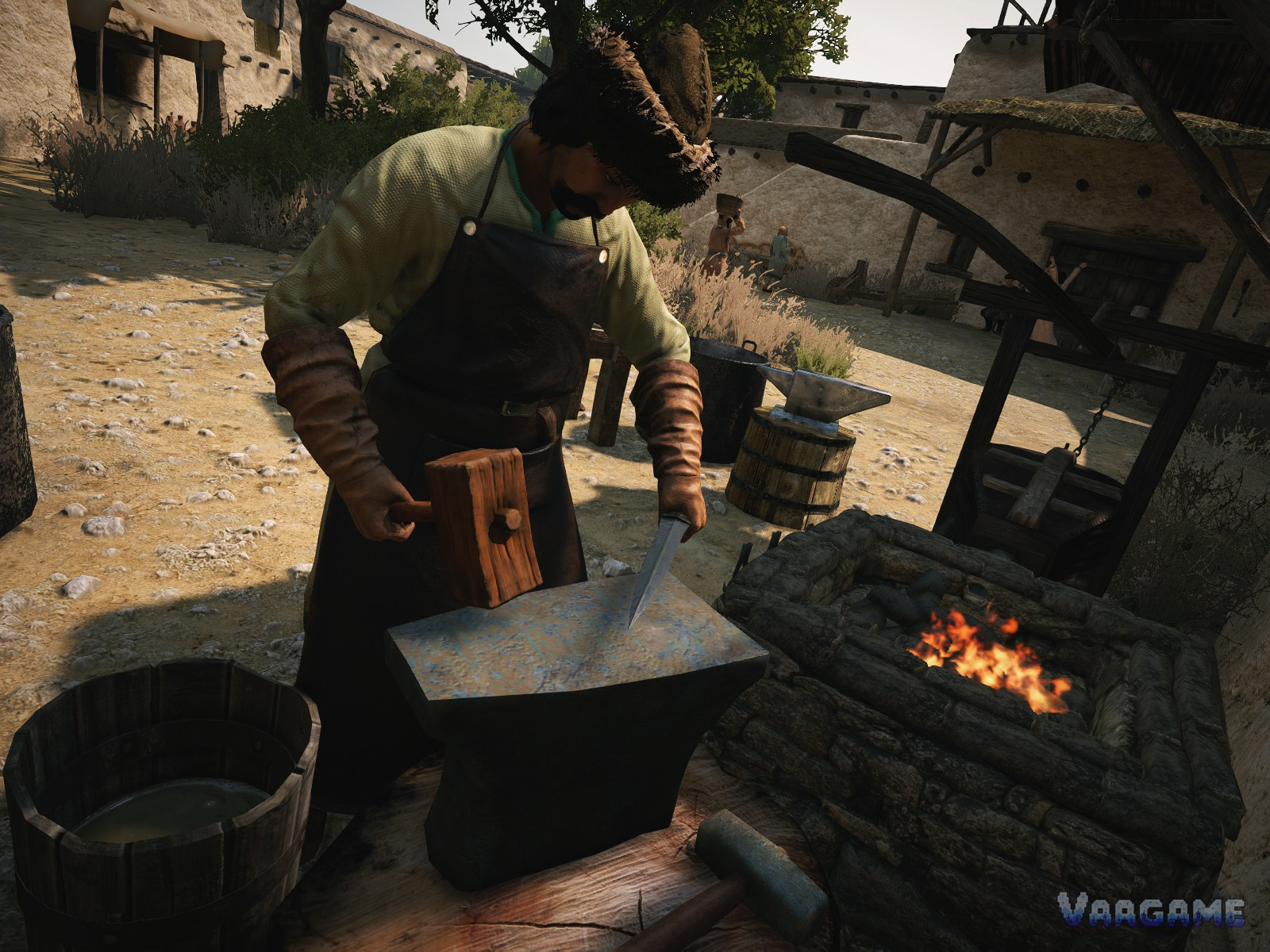
Smithing is Bannerlord most reliable crafting income, and also its easiest money pit. The loop is simple: refine raw materials, smelt unwanted weapons into materials and new parts, craft weapons from the parts you know, and sell what the market wants. The money is not in any single trick. It is in stamina discipline, in taking orders from town notables, and in never smelting a weapon you actually need. This guide gives you the loop without invented profit figures: exact per-weapon prices vary by weapon, town, and trade skill, and any guide that quotes you a fixed income per sword is guessing.
At a glance
Game: Mount & Blade II: Bannerlord, by TaleWorlds Entertainment
Price: $49.99 on Steam (checked October 28, 2026); prices vary by region and sale
Basis: single-player campaign, version line v1.4.x; War Sails content is noted only where it changes the topic
Scope: refining, smelting, crafting, orders, and stamina, for campaign income
Last verified: October 28,
2026. Exact figures without a reliable source are left out and marked as pending below
Where to smith and who should do it
Smithing happens at a town smithy, and any member of your party can work the forge. Use your best smith, which usually means the character with the highest Smithing skill and the most focus points in it, and let that character do all the smithing so their skill and part knowledge grow together. Switching smiths mid-campaign splits your progress: parts are learned per character, so a new smith starts ignorant no matter how good your main character is.
Skill matters twice. Higher Smithing skill unlocks better materials and perks as it rises, and it also changes what you can craft well: a low-skill smith wastes good materials on poor weapons, while a high-skill smith turns the same materials into weapons the market actually pays for. The character screen shows your Smithing skill and its perks; check it before you commit rare materials to a craft.
The loop: refine, smelt, craft, sell
Refining turns cheap raw materials into better ones: wood into charcoal, crude iron into iron, iron into steel, and so on up the material tiers toward the rare steels. Smelting breaks unwanted weapons down into materials and, just as importantly, teaches you their parts. Every weapon you smelt is a lesson: the parts you learn become the parts you can craft, so early on, smelt widely and cheaply rather than crafting one expensive weapon from a part list you barely know.
Crafting assembles a weapon from parts you know: blade, guard, grip, and pommel for a sword, or head, shaft, and fittings for a polearm. The parts decide the weapon stats and its sale value, and the difficulty of the craft decides how much stamina it costs and how likely you are to make a good version. Sell the weapons you craft in towns where trade is good, keep the ones your army actually needs, and remember that the trade value you see is a starting point: your Trade skill and the town market move the final price. Exact stamina costs and regeneration rates are pending verification and are left out here.
Orders: the steady money
Town notables post smithing orders: a specific weapon, with a deadline and a payment. Orders are the steadiest smithing income because the buyer is already waiting, and completing them also builds your standing with the notable, which pays off in other town business. Take orders you can already craft well, check the parts before accepting, and never accept an order whose rarest part you do not know: failing an order wastes the stamina and the time you could have spent on a weapon you can sell.
Stamina discipline
Smithing stamina is the real currency of the forge. Every refine, smelt, and craft spends it, and it refills over time rather than on demand. The discipline is simple: spend stamina on crafts and orders that pay, not on experiments with materials you cannot afford to lose; rest and travel refill it, so plan smithing around your campaign route instead of sitting in one town waiting. A smith who burns all stamina on a single fancy weapon and then sits idle for days has made one weapon and lost a week.
Common mistakes
Smelting weapons your troops still need, because smelting is one-way
Crafting expensive weapons before learning enough parts to make them well
Spending all stamina in one town instead of smithing along the campaign route
Ignoring orders, which are the only smithing income with a buyer already attached
Chasing a fixed profit-per-weapon figure from another guide instead of watching your own market
FAQ
What should I smelt first?
Cheap loot weapons you will never use, especially duplicates. Each one teaches parts and returns materials, and the lesson is worth more than the few denars a broken sword would fetch in a shop.
Is smithing better than trading for money?
They complement each other. Smithing creates valuable goods from cheap loot, and Trade skill raises what those goods sell for. A smith who also trades sells crafted weapons for more than a smith who does not.
Can a companion be my smith?
Yes. Any party member can work the forge, and the smart move is to pick one character and keep them on smithing duty so their parts knowledge compounds instead of splitting across the party.